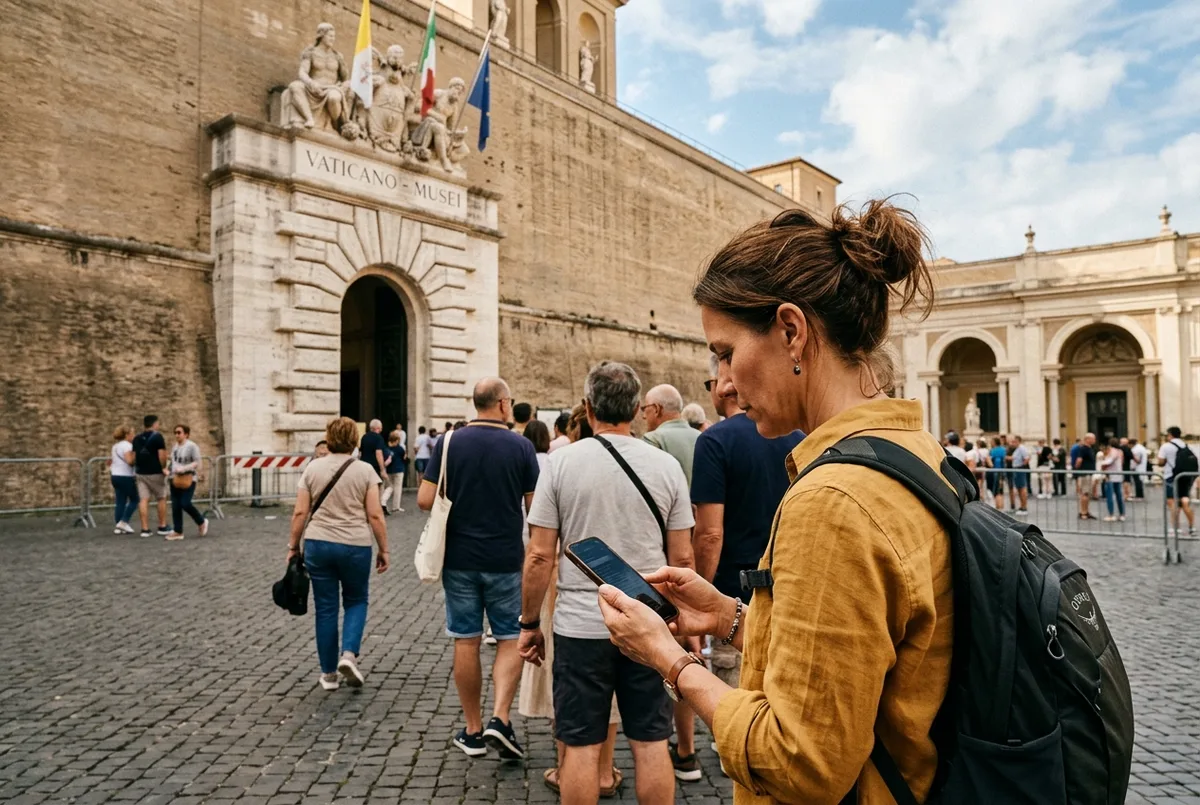
Vatican museums reviews land on the same handful of themes again and again once you read enough of them: the art genuinely holds up, the crowding is the real complaint, and a guided tour tends to get credited more often than it gets dismissed. Here’s the pattern I’d actually trust over any single star rating: look for what repeats across dozens of reviews, not what one frustrated or one glowing account says on its own. If you want the short version of my own take on the whole question, my is the Vatican Museums worth it guide covers that directly, and this page goes deeper into what other visitors specifically say once they’ve actually been.
What do visitors say about the Vatican Museums overall?
Overwhelmingly positive on the art itself, with the Sistine Chapel and the Raphael Rooms mentioned constantly as the highlights worth the trip. The complaints, when they show up, are almost never about what’s on the walls.
I’d read this as a genuinely useful signal rather than noise. When hundreds of reviews independently converge on the same two or three rooms as the standout moments, that’s not marketing, that’s a real pattern worth planning around.
Is the crowding really as bad as reviews suggest?
Yes, and this is the single most repeated complaint across the review pool, especially for visits between mid-morning and early afternoon in peak season. Reviewers describe the Sistine Chapel specifically as feeling more like a crowded platform than a quiet chapel at the worst hours.
My honest take: I don’t think this complaint is exaggerated. A packed room genuinely changes how a ceiling fresco meant to be viewed slowly actually lands, and I’d treat timing as the one variable inside your control that most affects whether your own visit matches the good reviews or the frustrated ones.
Do visitors say the Sistine Chapel is smaller than expected?
Yes, this comes up often enough that I’d flag it before you go. Photos of the ceiling tend to make the room feel more expansive than it actually is, and first-time visitors regularly mention being surprised by how compact and enclosed the space feels once they’re standing in it.
I wouldn’t let that expectation gap talk you out of going. The scale being smaller than imagined doesn’t seem to diminish how visitors rate the experience once they’ve adjusted to the actual room, and most reviews still call it the trip’s highlight even after admitting the surprise.
What do people say about the wait to get in?
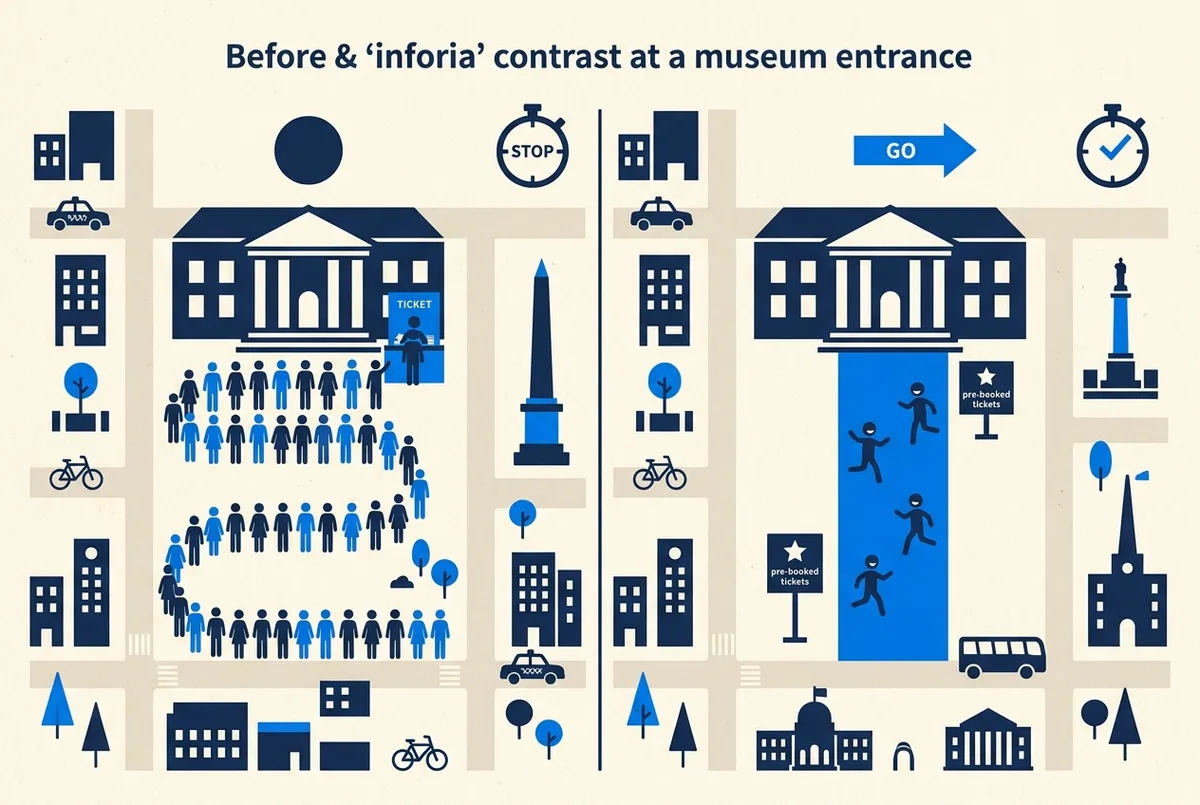
Frustration with the ticket-office line shows up constantly among visitors who didn’t book ahead, with wait times reported well past an hour on busy mornings. Reviewers who booked a timed slot in advance describe a noticeably smoother start to the visit.
I’d call this the clearest actionable lesson in the whole review pool. The single biggest gap between a five-star review and a frustrated one-star review often isn’t the museum itself, it’s whether the visitor planned their entry ahead of time or gambled on a walk-up ticket.
Are guided tours worth it, according to visitor reviews?
More often than not, yes, based on how frequently reviewers who booked a guide mention understanding what they were looking at, versus reviewers on a self-guided visit who admit they weren’t sure what half the rooms actually were.
I lean toward trusting this pattern. A guide’s context seems to change how much a visitor actually takes away from the experience, more so than at a lot of other Rome sights where the visuals speak for themselves without much explanation needed.
What do families say about visiting with kids?
Mixed, and honestly more mixed than any other theme in the review pool. Families with older kids or kids already interested in art and history report a genuinely great day. Families with younger, restless kids describe a long, crowded, one-way route that tested everyone’s patience by the end.
I’d take this split seriously rather than assuming one experience applies to every family. If you’re bringing young children, the reviews that mention success consistently mention an early morning slot and a shorter, more focused visit rather than trying to see everything.
What surprises first-time visitors most?
The sheer size of the collection, repeatedly. Reviewers frequently mention underestimating how much museum stands between the entrance and the Sistine Chapel, and being surprised that the Chapel itself is the very last stop on a long, fixed route rather than an early highlight.
I think this surprise is worth planning around directly. Knowing the Chapel comes at the end changes how you’d pace the earlier galleries, and I’d rather you walk in expecting a longer route than be caught off guard by it partway through.
What do critical reviews get wrong?
The most common miss in negative reviews is blaming the museum for crowding that’s actually a timing problem, visiting at the busiest possible hour and then reviewing the experience as though that crowd level were unavoidable rather than a choice.
I’d push back gently on reviews like that. The same museum, visited at opening on a weekday, earns consistently different feedback from the same kind of visitor. I don’t think that makes the frustrated reviews dishonest, but I do think it makes them incomplete without the timing context.
How much should you trust a five-star review versus a one-star review?
Neither one on its own, honestly. A single glowing review can come from someone with low expectations who got lucky with a quiet morning, and a single frustrated review can come from someone who visited at the single worst hour of the single worst day of the year. I’d weight the pattern across dozens of reviews far more heavily than any individual score.
My honest approach when I read reviews for a place like this is to skim past the star rating entirely and look for the specific details instead: did they mention when they went, did they book a timed slot, did they bring kids, did they hire a guide. Those details tell you far more about whether their experience will match yours than the number of stars ever will.
I’d also weigh recency. A review from several years ago might describe a booking system or a queue length that’s since changed, so I’d lean toward the more recent reviews in any batch you’re reading, and treat older ones as general context rather than current fact.
Do negative reviews mention safety or scams?
Occasionally, and almost always tied to street vendors near the entrance rather than the Vatican Museums itself, offering to “skip the line” for cash outside official channels. Reviewers who fell for this describe overpaying for something a legitimate ticket would have covered for less.
I’d treat this as one of the more useful warnings buried in the review pool. My Vatican ticket scams guide covers the specific patterns to watch for, and I’d read it before you’re standing outside the entrance being approached by someone with a lanyard and a clipboard.
My honest read on the pattern
If I had to summarize what the reviews actually say once you strip out the noise, it’s this: the art is not overrated, the crowding complaints are real and worth planning around, and a guide genuinely seems to change how much visitors get out of the visit. I’d trust that pattern more than any single review, glowing or frustrated.
For the fuller picture on what actually makes a visit worth it for you specifically, my is the Vatican Museums worth it guide walks through the trade-offs in more depth, and my planning your Vatican visit guide covers the logistics that show up again and again in the reviews I’ve read, timing, routing and what to expect at the door. For background on the collection reviewers keep referencing, the Vatican Museums’ own entry at Wikipedia is a solid, well-sourced place to read further.
Frequently asked questions
Are the Vatican Museums overrated based on visitor reviews?
I don’t think so. The art consistently earns praise across reviews, and most of the criticism targets crowding and wait times rather than the collection itself.
What’s the most common complaint in Vatican Museums reviews?
Crowding, by a wide margin, especially in the Sistine Chapel during mid-morning to early afternoon hours in peak season.
Often, yes. Reviewers who booked a guide more frequently mention understanding what they saw, compared to self-guided visitors who admit some rooms went unexplained.
Are the Vatican Museums worth it for families with young kids?
It depends heavily on the child, based on the review pattern. Older kids or kids interested in art tend to have a great day, while younger or restless kids fare better with a shorter, earlier visit.
vatican pass ticket →